The Ultimate Multiple Sclerosis & Autoimmune Nutrition Toolkit
Backed by the Latest Nutrition Research. Designed for Real Life.
If you've been living with multiple sclerosis or another autoimmune condition, you've probably asked yourself...
Should I follow the Mediterranean diet?
What about Swank?
Is ketogenic better?
Should I eliminate gluten? Dairy?
Does the research actually support any of these approaches?
Unfortunately, most people are left trying to piece together advice from social media, blogs, podcasts, and conflicting opinions.
It's overwhelming.
And when you're already dealing with fatigue, brain fog, pain, or mobility challenges, figuring out which dietary changes are actually worth making can feel impossible.
The good news is that nutrition research has advanced tremendously over the past decade.
Today, we have far more evidence than ever before about how nutrition influences inflammation, metabolism, fatigue, brain health, quality of life, and long-term function in people living with MS.
This course brings that science together in one place.
Rather than promoting one single diet, Dr. Terry Wahls walks you through the strengths, limitations, and research behind today's leading nutrition approaches so you can make informed decisions for yourself and your family.
Introducing...
A four-part masterclass with Dr. Terry Wahls
Welcome - How to navigate the Wahls Academy.
Direct Links to Class Recordings
The Research Studies
The Easier Less Restrictive Diets
The More Potent, More Challenging and More Restrictive Diets
Which Diet Is Best for You and Your Family and Achieving More Success with Improving Nutrition for You and Your Family
BONUS LECTURE #1: BHAG - Big Hairy Audacious Goal
BONUS LECTURE #2: Create Your Ideal Future: Design the Life and Habits You Desire
BONUS #3: Wahls Diet™ Premium Menus

Tuesdays at 6:00 PM Central Time

Built upon decades of clinical experience and groundbreaking nutrition research, this course will help you understand:
What nutrition science actually tells us about MS
Which dietary patterns have the strongest evidence
Why some diets work better for certain people
How to build a sustainable nutrition plan you can actually maintain
Learn how to evaluate nutrition research and understand what observational studies, intervention trials, and mechanistic studies reveal about multiple sclerosis.
You'll discover:
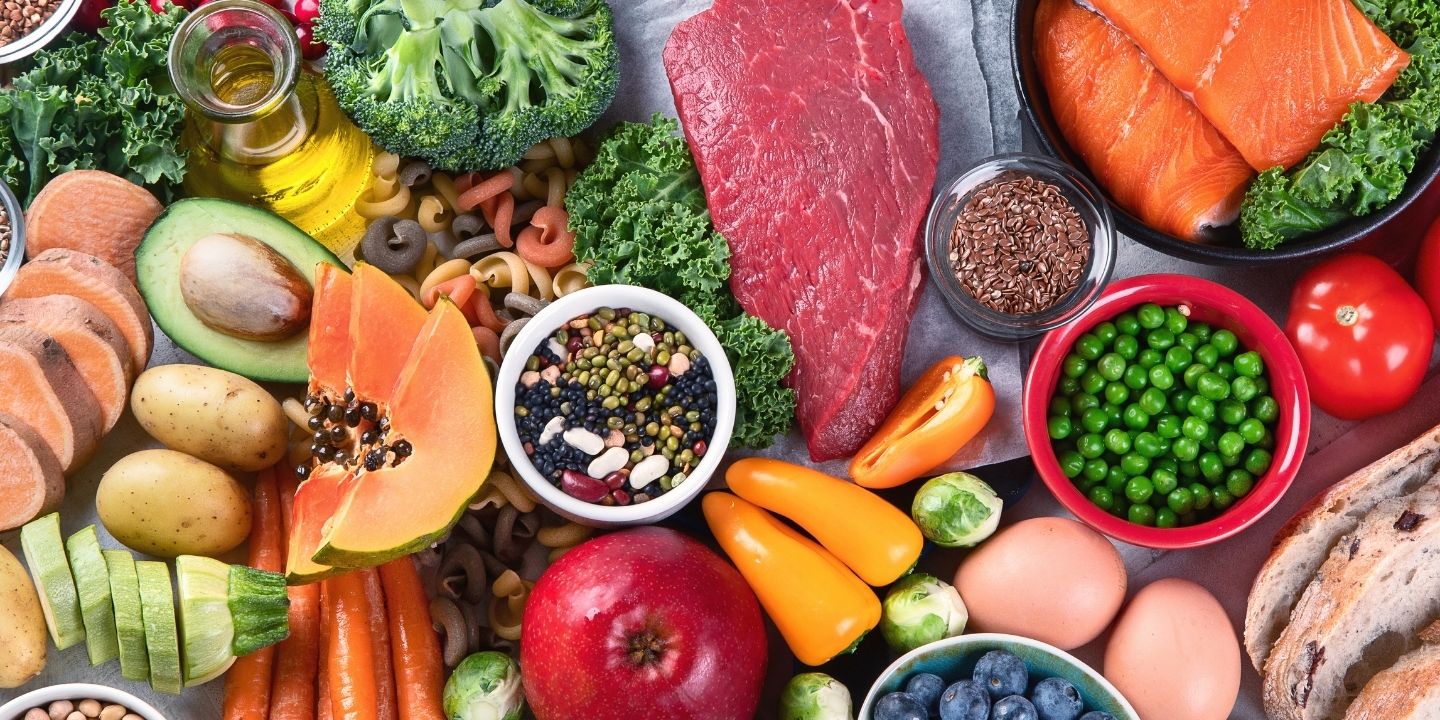
Explore the dietary approaches that are often the easiest place to begin.
You'll compare:
Learn who these approaches may work well for, their benefits, limitations, and what the research says about each.
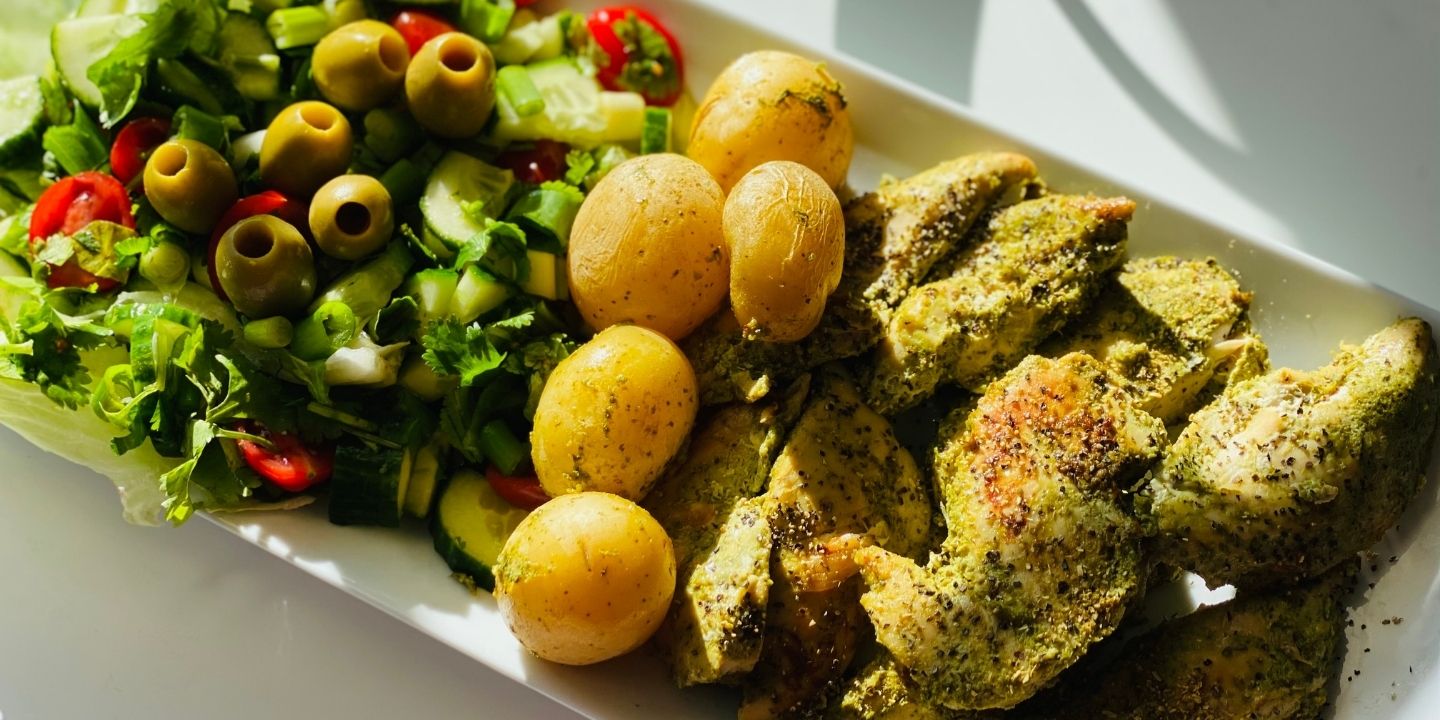
Take a deeper look at the more intensive dietary strategies that may offer greater benefits but require a higher level of commitment.
Topics include:
Dr. Wahls reviews the published clinical trials, compares outcomes, and discusses which patients may benefit most from each approach.
The best diet is the one you can successfully follow.
In this final section you'll learn:
After completing this course, you'll understand:
How nutrition influences inflammation, metabolism, and brain health
Which dietary patterns have the strongest scientific support for MS
The benefits and tradeoffs of low-fat, Mediterranean, ketogenic, fasting, Paleolithic, and elimination diets
Which supplements have the strongest evidence to support nutritional adequacy and brain health
How to evaluate new nutrition headlines with confidence
How to build a realistic, sustainable nutrition strategy that fits your life
The science surrounding nutrition and multiple sclerosis has changed dramatically over the last decade. You don't have to navigate that research alone. Join Dr. Terry Wahls as she helps you understand the evidence, compare today's leading nutrition approaches, and create a plan that supports your long-term health. Enroll today and begin building your nutrition toolkit.
Dr. Wahls is a clinical professor of medicine who conducts clinical trials of diet for people with MS. She has published over 100 peer-reviewed scientific abstracts, posters, oral presentations, and publications; worked with hundreds of patients and their families; and taught these concepts to thousands of physicians and other health professionals.

1. Bisht B, Darling WG, Grossmann RE, et al. A multimodal intervention for patients with secondary progressive multiple sclerosis: feasibility and effect on fatigue. J Altern Complement Med. 2014;20(5):347-355.
2. Bisht B, Darling WG, Shivapour ET, et al. Multimodal intervention improves fatigue and quality of life in subjects with progressive multiple sclerosis: a pilot study. Degener Neurol Neuromuscul Dis. 2015;5:19-35.
3. Bisht B, Darling WG, White EC, et al. Effects of a multimodal intervention on gait and balance of subjects with progressive multiple sclerosis: a prospective longitudinal pilot study. Degener Neurol Neuromuscul Dis. 2017;7:79-93.
4. Lee JE, Bisht B, Hall MJ, et al. A Multimodal, Nonpharmacologic Intervention Improves Mood and Cognitive Function in People with Multiple Sclerosis. J Am Coll Nutr. 2017;36(3):150-168.
5. Lee JE, Titcomb TJ, Bisht B, Rubenstein LM, Louison R, Wahls TL. A Modified MCT-Based Ketogenic Diet Increases Plasma beta-Hydroxybutyrate but Has Less Effect on Fatigue and Quality of Life in People with Multiple Sclerosis Compared to a Modified Paleolithic Diet: A Waitlist-Controlled, Randomized Pilot Study. J Am Coll Nutr. 2021;40(1):13-25.
6. Wahls TL, Titcomb TJ, Bisht B, et al. Impact of the Swank and Wahls elimination dietary interventions on fatigue and quality of life in relapsing-remitting multiple sclerosis: The WAVES randomized parallel-arm clinical trial. Mult Scler J Exp Transl Clin. 2021;7(3):20552173211035399.
7. Dean C, Parks S, Titcomb TJ, et al. Facilitators of and Barriers to Adherence to Dietary Interventions Perceived by Women With Multiple Sclerosis and Their Support Persons. Int J MS Care. 2022;24(5):235-241.
8. Elliott-Wherry AN, Lee JE, Pearlman AM, Wahls TL. The Wahls Behavior Change Model for Complex Chronic Diseases: A Clinician's Guide. Degener Neurol Neuromuscul Dis. 2022;12:111-125.
9. Crippes LJ, Saxby SM, Shemirani F, et al. Diet-induced changes in functional disability are mediated by fatigue in relapsing-remitting multiple sclerosis: A secondary analysis of the WAVES randomized parallel-arm trial. Mult Scler J Exp Transl Clin. 2023;9(4):20552173231209147.
10. Saxby SM, Shemirani F, Crippes LJ, et al. Effects of a Remote Multimodal Intervention Involving Diet, Walking Program, and Breathing Exercise on Quality of Life Among Newly Diagnosed People with Multiple Sclerosis: A Quasi-Experimental Non-Inferiority Pilot Study. Degener Neurol Neuromuscul Dis. 2024;14:1-14.
11. Titcomb TJ, Sherwood M, Ehlinger M, et al. Evaluation of a web-based program for the adoption of wellness behaviors to self-manage fatigue and improve quality of life among people with multiple sclerosis: A randomized waitlist-control trial. Mult Scler Relat Disord. 2023;77:104858.
12. Snetselaar LG, Cheek JJ, Fox SS, et al. Efficacy of Diet on Fatigue and Quality of Life in Multiple Sclerosis: A Systematic Review and Network Meta-analysis of Randomized Trials. Neurology. 2023;100(4):e357-e366.
13. Spain RI, Piccio L, Langer-Gould AM. The Role of Diet in Multiple Sclerosis: Food for Thought. Neurology. 2023;100(4):167-168.